10 Ways Early Learning Centers Help Children Thrive in Philadelphia
Choosing the right childcare in Philadelphia is one of the biggest decisions a family can make. Early learning centers are more than a place for children to stay while parents work. They are structured environments where young minds grow, social skills develop, and the foundation for lifelong learning gets built.
In simple terms, an early learning center is a licensed facility that combines care and education for infants, toddlers, and preschoolers. The best ones blend daily routines with age appropriate lessons, play, and guidance from trained teachers.
This matters because the first five years of a child's life shape brain development more than any other stage. Quality childcare in Philadelphia gives children a safe space to explore, make mistakes, and build confidence before they ever step into a kindergarten classroom.
In this guide, you will learn exactly how early learning centers support a child's growth, what to look for when comparing programs, and practical steps you can take as a parent to make the most of your child's experience.
What You'll Learn in This Guide
Why early learning centers play a bigger role in development than most parents realize
How structured routines build emotional security in young children
The connection between play based learning and stronger academic skills later on
What social and emotional skills children pick up in group settings
How qualified teachers and small class sizes affect a child's growth
Simple ways parents can reinforce classroom lessons at home
What to look for when touring childcare in Philadelphia
Practical tips for making the transition into early learning easier
1. Building a Strong Foundation Through Structured Routines
Children feel safest when they know what comes next. Early learning centers use daily schedules that include set times for meals, learning activities, outdoor play, and rest. This structure helps children understand expectations and reduces anxiety.
Why Routine Matters for Young Children
A predictable day teaches children patience and self control. When a child knows that snack time follows playtime, they learn to wait without feeling overwhelmed. Over time, this builds a sense of independence that carries into the school years.
Actionable tip: At home, try mirroring small parts of your child's daycare schedule, like having a consistent bedtime routine or a set time for meals. This consistency between home and school reinforces what they are already learning.
2. Encouraging Social Skills Through Group Interaction
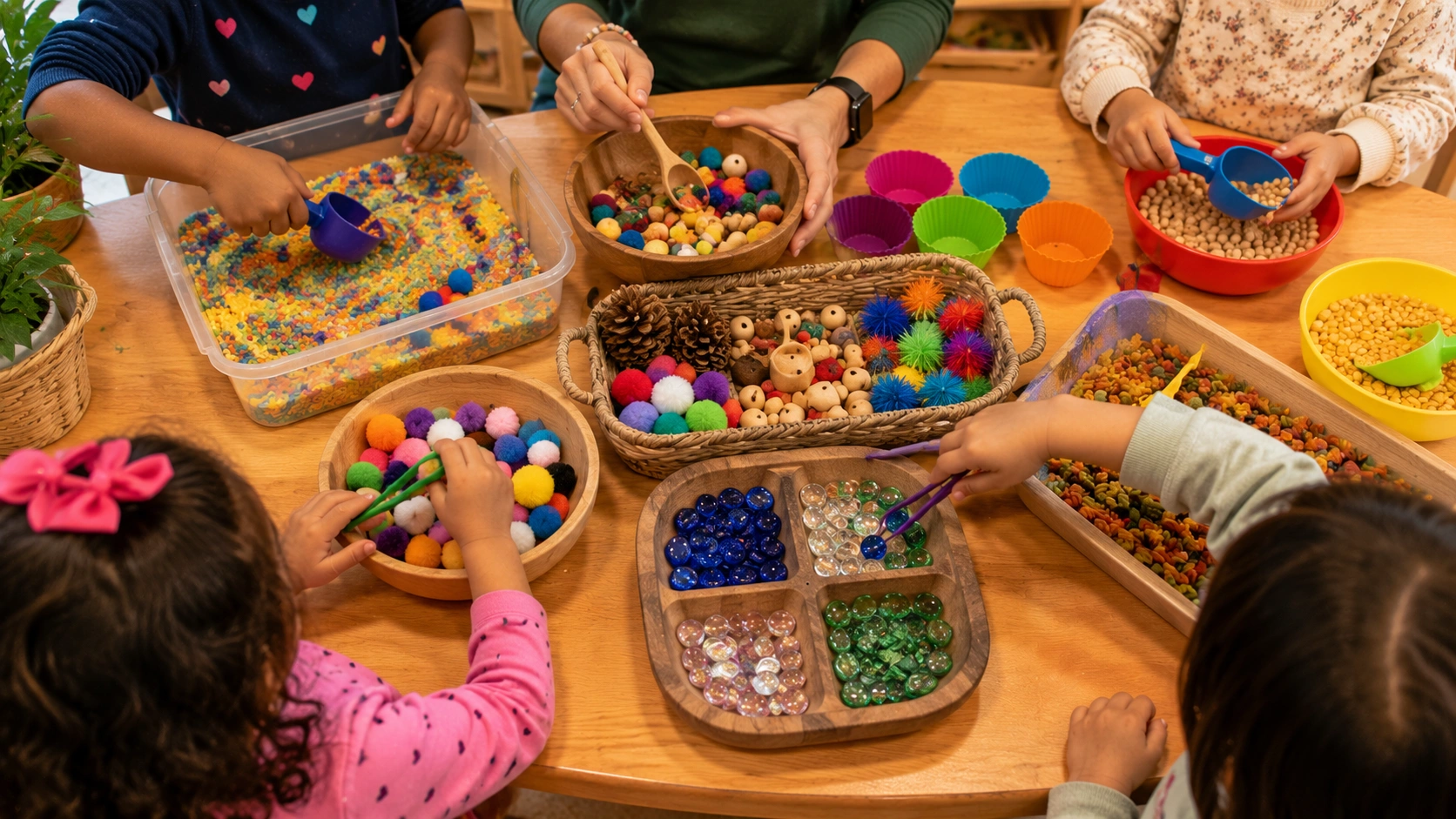
Spending time with other children their age gives kids the chance to practice sharing, taking turns, and resolving small conflicts. These are skills that are hard to teach through books alone.
How Group Settings Shape Behavior
When a toddler wants the same toy as another child, a teacher can guide both kids through a respectful way to handle it. These small moments, repeated daily, teach empathy and patience far better than a single conversation at home ever could.
Actionable tip: Ask your child's teacher about specific social moments from the day. Talking through these situations at home helps children process what they learned and apply it again later.
3. Supporting Emotional Growth and Confidence
Early learning centers are often a child's first experience away from their immediate family. This separation, while sometimes hard at first, helps children build emotional resilience.
The Role of Teachers in Emotional Development
Trained early childhood educators know how to comfort a child without solving every problem for them. They guide kids to name their feelings, whether it is frustration, excitement, or sadness, which builds emotional vocabulary at a young age.
Actionable tip: Praise effort over outcome. Saying something like "I saw how hard you worked on that puzzle" builds more lasting confidence than only praising the finished result.
4. Introducing Early Literacy and Language Skills
Reading aloud, singing songs, and practicing letters are common parts of a quality early learning program. These activities build vocabulary and listening skills long before formal reading instruction begins.
Why Language Exposure Early On Matters
Children who hear a wide range of words and phrases during their early years tend to have an easier time learning to read later. Teachers use storytime, rhymes, and simple conversations to expose children to new vocabulary daily.
Actionable tip: Read to your child every night, even for just ten minutes. Ask simple questions about the story to build comprehension skills alongside vocabulary.
5. Developing Fine and Gross Motor Skills
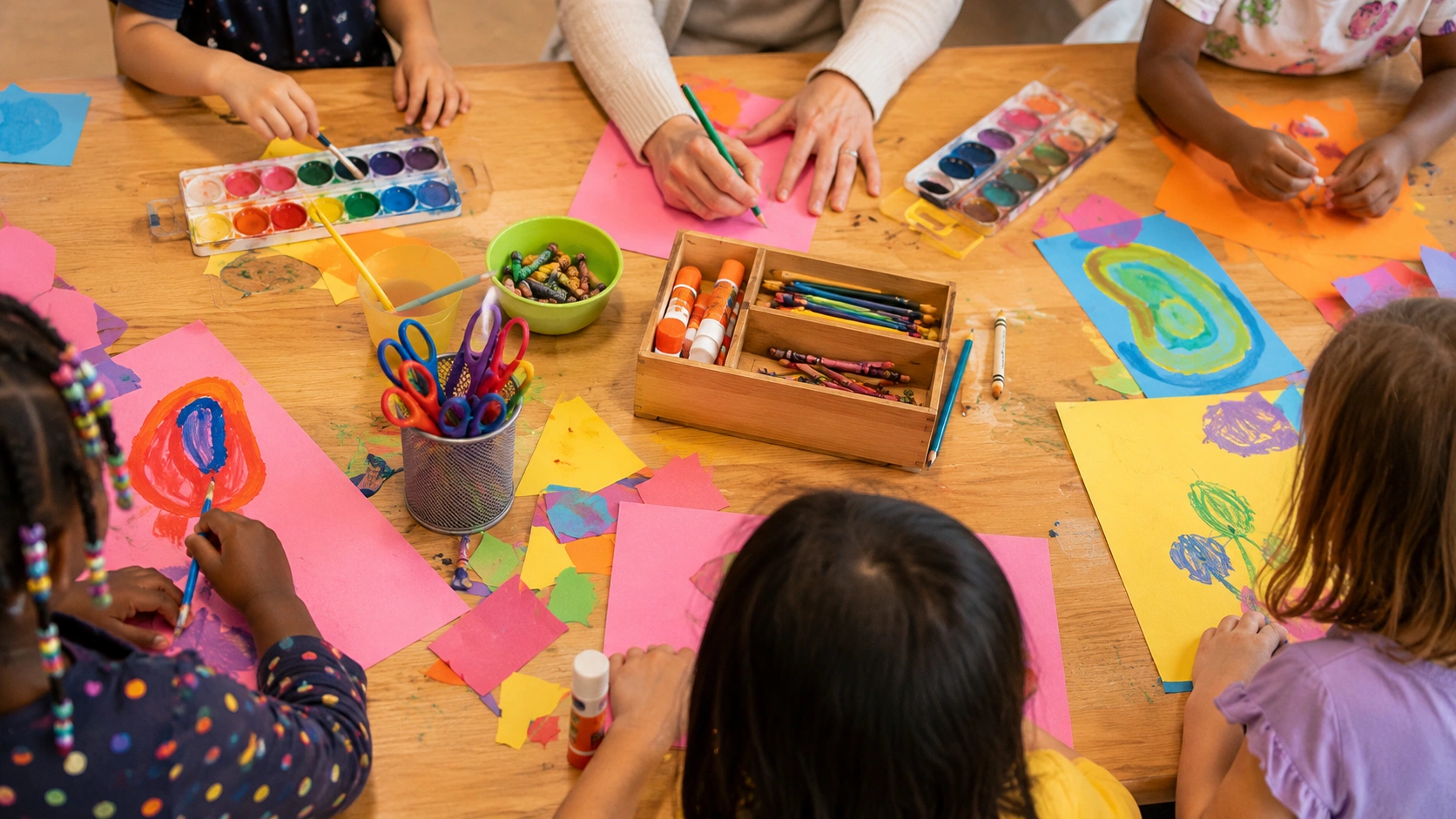
From holding a crayon to climbing on playground equipment, early learning centers give children daily opportunities to strengthen both fine and gross motor skills.
Fine Motor Skills
Activities like stringing beads, cutting with safety scissors, or molding clay help small hand muscles grow stronger. These skills are directly tied to later success with writing.
Gross Motor Skills
Running, jumping, and climbing build balance and coordination. Outdoor play time is not just for fun. It plays a real role in physical development.
Actionable tip: Set aside unstructured playtime at home where your child can move freely, whether that is dancing, jumping, or playing outside.
6. Teaching Early Math and Problem Solving Concepts
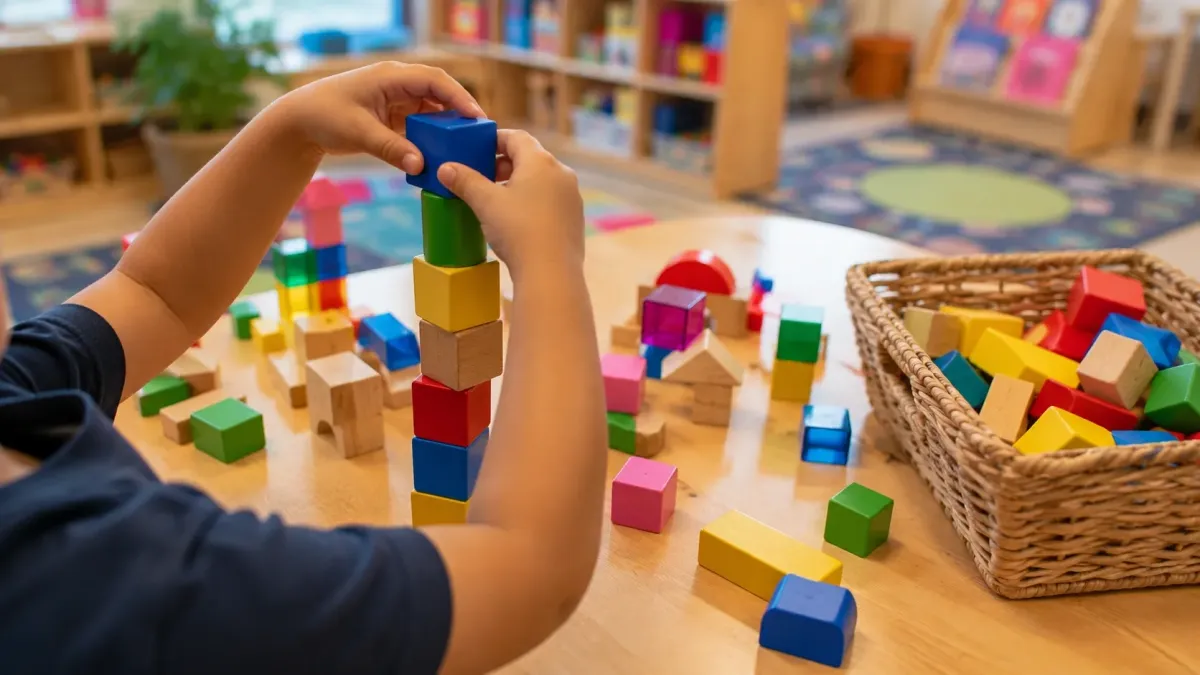
Counting snacks, sorting shapes, or building with blocks introduces basic math concepts in a way that feels like play rather than schoolwork.
How Play Based Math Works
Children naturally compare sizes, count objects, and notice patterns during everyday play. Teachers build on this by asking guiding questions like "Which block is bigger?" or "How many do we have left?"
Actionable tip: Turn everyday moments into counting practice. Counting stairs, snacks, or toys during normal activities reinforces what your child is learning in class.
7. Preparing Children for Kindergarten Readiness
One of the most practical benefits of early learning centers is helping children enter kindergarten with the skills they need to succeed from day one.
What Kindergarten Readiness Actually Looks Like
It is not just about knowing letters and numbers. It includes being able to follow instructions, sit through group activities, and manage basic self care tasks like washing hands or putting on a jacket.
Actionable tip: Ask your child's center directly what kindergarten readiness benchmarks they track. This gives you a clear picture of your child's progress well before the school year starts.
8. Offering Consistent and Reliable Care for Working Families
Reliable childcare in Philadelphia gives parents the ability to work with peace of mind, knowing their child is safe, engaged, and well cared for throughout the day.
Why Consistency Benefits the Whole Family
When children attend the same center with the same teachers and routines, they build trust and familiarity. This consistency reduces stress for both children and parents.
Actionable tip: When comparing centers, ask about staff turnover rates. Lower turnover usually means more consistency for your child.
9. Creating a Safe and Nurturing Physical Environment
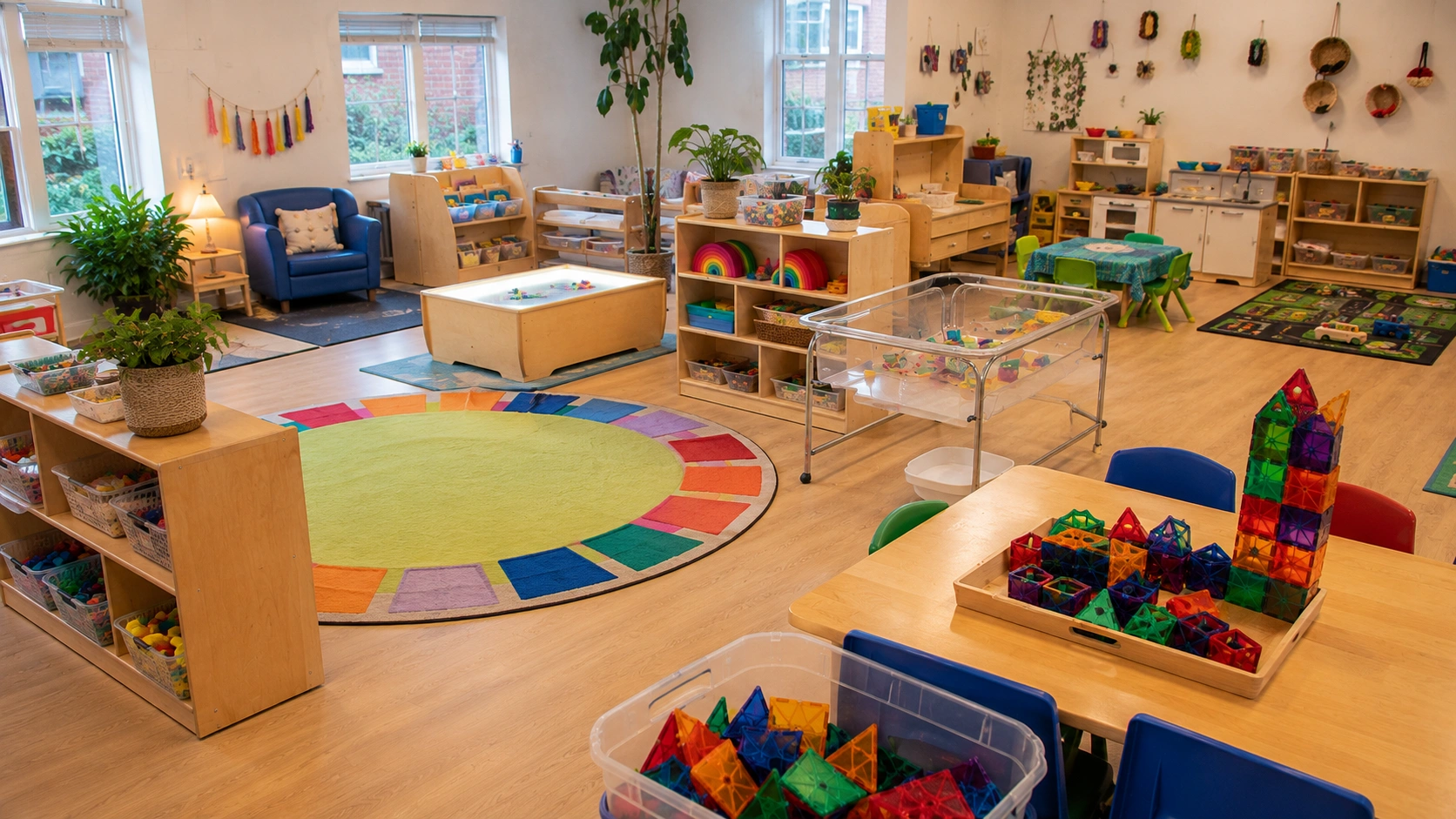
A good early learning center is designed with safety in mind, from secure entry systems to age appropriate furniture and equipment.
What to Look for in a Safe Facility
Clean classrooms, secured outdoor play areas, and clear health and safety procedures all matter. Ask about staff to child ratios, since smaller groups generally mean more individual attention for each child.
Actionable tip: During a tour, pay attention to how staff interact with children in the moment. Genuine warmth and patience are hard to fake.
10. Building a Sense of Community for Families
Early learning centers often become a second family for both children and parents. Many centers host events, parent meetings, and seasonal celebrations that bring families together.
Why Community Matters in Early Childhood
A strong sense of community helps parents feel supported and gives children a feeling of belonging beyond their own household. This network can be especially valuable for families new to the city or without nearby relatives.
Actionable tip: Get involved when you can, even in small ways like attending a holiday event or volunteering for a classroom activity. This strengthens your child's sense of connection to their school community.
Conclusion
Choosing the right early learning center is about more than convenience. It is an investment in your child's social, emotional, and academic future. Look for programs that combine structure with warmth, qualified teachers with small class sizes, and a curriculum that balances play with learning.
At Open Arms Early Learning And Development Center, families in Philadelphia can find a program built around these same principles, supporting children through every stage of early growth with care, consistency, and a true sense of community. If you are searching for childcare in Philadelphia that puts your child's development first, Open Arms Early Learning And Development Center is a place worth exploring for your family's next step.
