Benefits of Preschool vs Staying Home
One of the biggest decisions parents face in the early years of parenting is whether to enroll their child in a preschool program or keep them home a little longer. Both choices come with their own set of advantages, and there is no one-size-fits-all answer. However, understanding what each path offers can help you make the most informed decision for your child and your family.
At its core, a preschool program is a structured early learning environment designed for children typically between the ages of 3 and 5. It combines play, social interaction, and foundational learning to help children develop the skills they need before entering kindergarten. Staying home, on the other hand, means a child remains in a familiar environment, often under the care of a parent, grandparent, or caregiver.
Why does this decision matter so much? Because the early years of a child's life are among the most critical for brain development. Research consistently shows that the experiences children have between birth and age 5 lay the groundwork for how they learn, communicate, and interact with the world for the rest of their lives.
In this guide, you will explore the key benefits of enrolling your child in a preschool program versus keeping them home. You will also learn what to look for in a quality program and how to make the transition as smooth as possible for your little one.
What You'll Learn in This Guide
How a preschool program supports your child's social and emotional growth
The academic and cognitive benefits of early structured learning
What children gain from staying home and when it works best
How preschool helps children build independence and confidence
The role of play-based learning in early childhood development
How to evaluate whether your child is ready for a preschool program
Tips for making the preschool transition easier for both parent and child
What to look for in a quality early learning center
The Case for Enrolling in a Preschool Program
Social Development Happens Early
One of the most powerful benefits of a preschool program is the opportunity for children to interact with other kids their age. At home, social interactions are often limited to siblings, family members, or occasional playdates. In a preschool setting, children are regularly navigating friendships, sharing toys, taking turns, and learning how to manage disagreements.
These might seem like small things, but they are actually some of the most important life skills a person can develop. Children who learn to cooperate, empathize, and communicate effectively at a young age tend to carry those abilities with them into school, relationships, and the workplace.
A quality preschool program creates a safe environment where children practice being part of a group. They learn that the world includes other people with their own needs and feelings, which builds emotional intelligence over time.
Building a Foundation for Academic Success
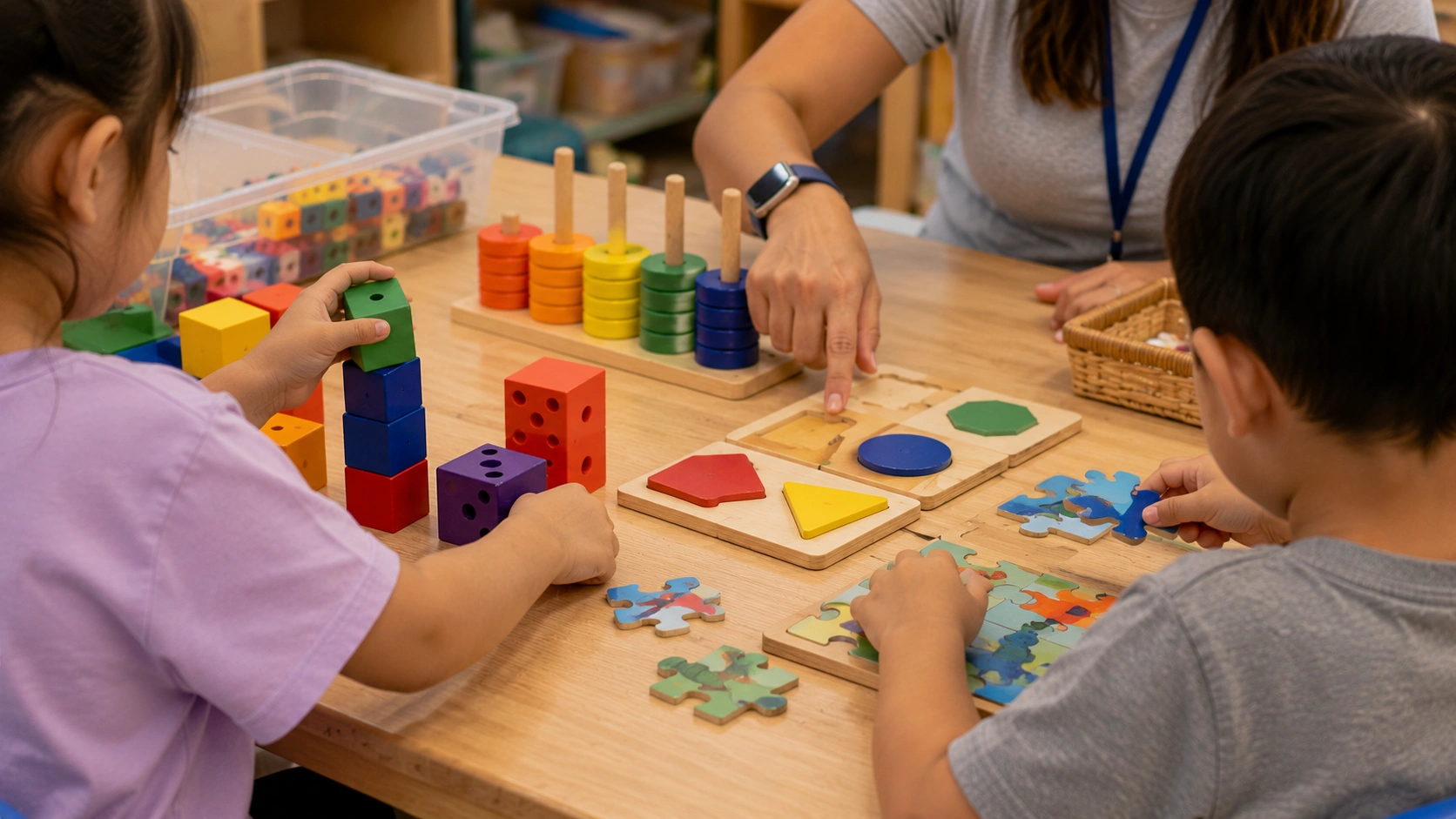
A preschool program introduces children to early literacy and numeracy in a way that feels natural and fun. Children begin to recognize letters and sounds, practice counting, learn to hold a pencil, and follow multi-step instructions. These are all skills that kindergarten teachers expect children to have some familiarity with on the first day of school.
Studies have shown that children who attend a structured preschool program often enter kindergarten with stronger vocabulary, better listening skills, and a higher level of curiosity than children who did not attend. These advantages can compound over time, setting kids up for stronger academic performance throughout their school years.
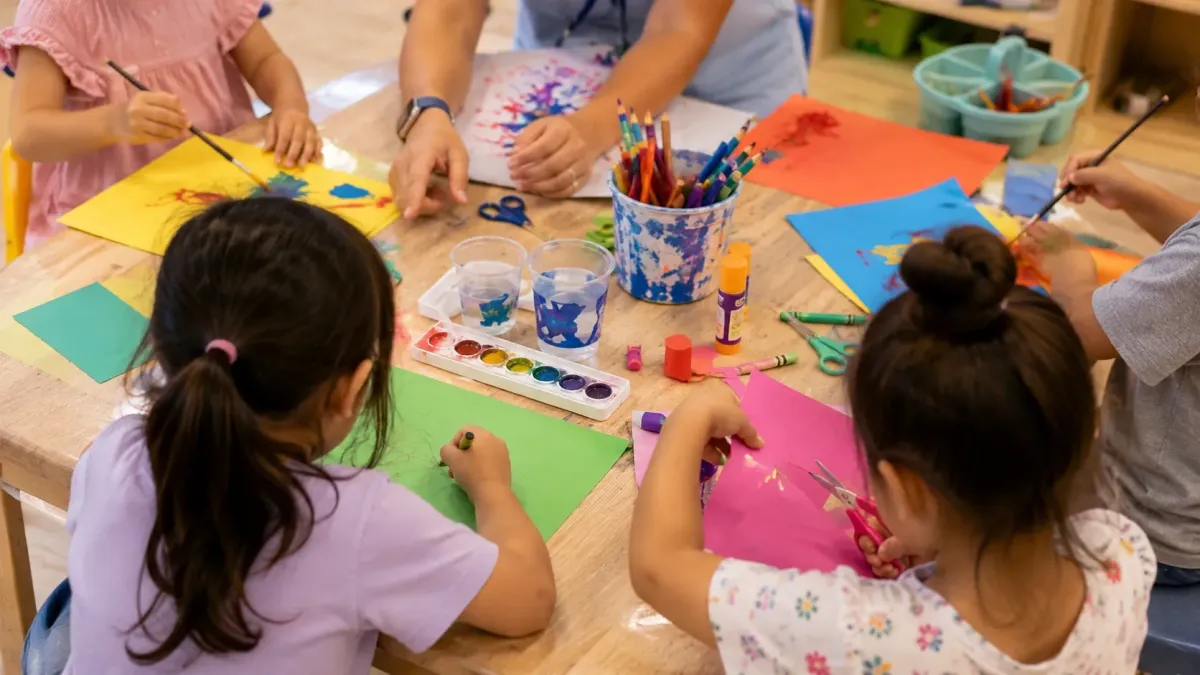
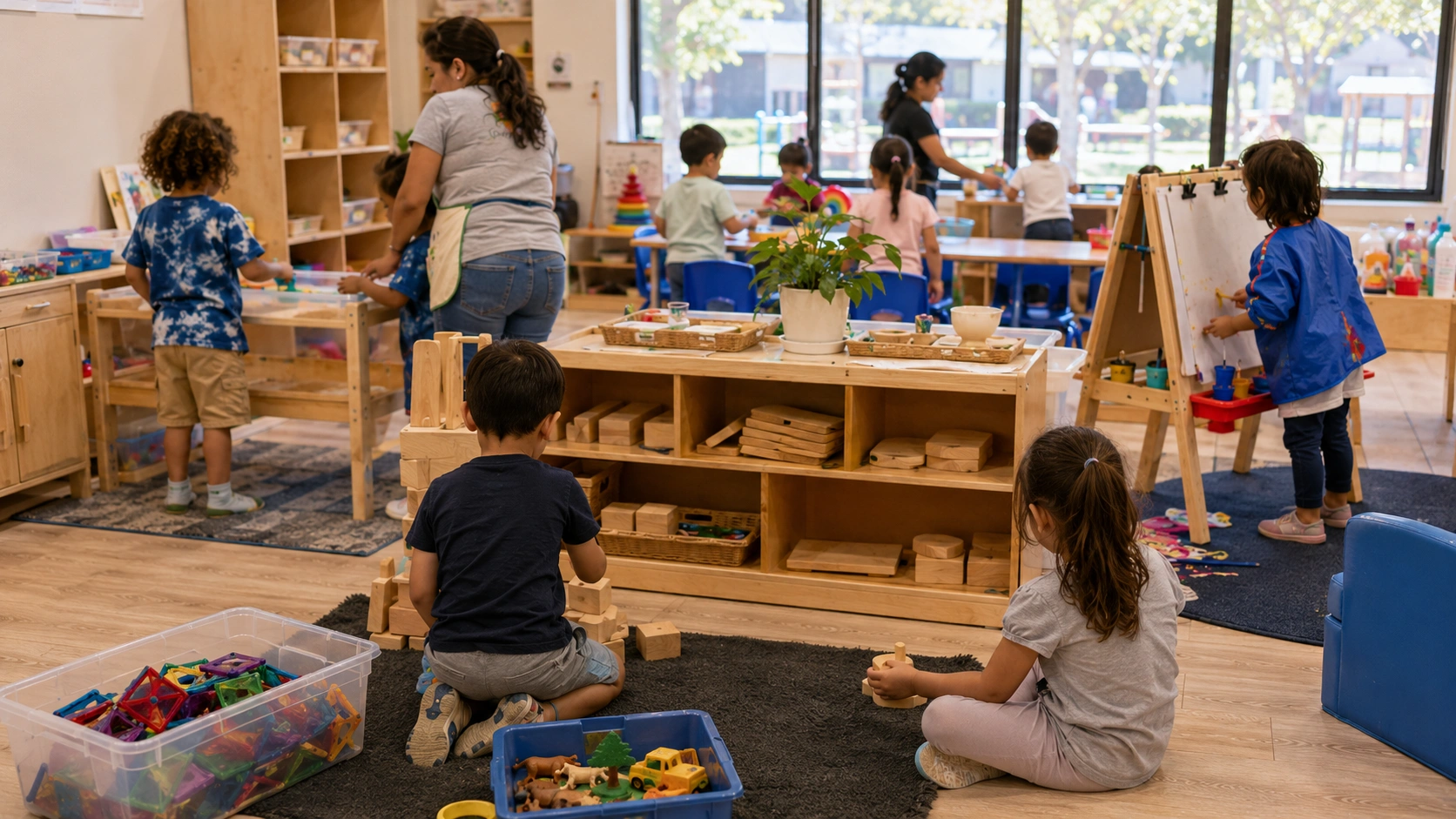
The key is that learning in preschool is woven into everyday activities. Children are not sitting at desks for hours. They are building with blocks, singing songs, painting, and playing pretend. All of those activities are teaching something, whether it is problem solving, creativity, or language development.
Independence and Confidence Grow in New Environments
Being away from home, even for just a few hours a day, helps young children develop a sense of independence. They learn to manage their own belongings, ask for help when they need it, and complete tasks without a parent right by their side.
This kind of confidence is hard to build when a child never has the opportunity to navigate situations on their own. In a preschool program, teachers are supportive but also allow children to try things for themselves, which builds resilience and a sense of capability.
Children who develop this confidence early are often better prepared for the social and academic challenges of kindergarten and beyond.
The Benefits of Staying Home
Comfort and Familiarity Are Powerful
For some children, particularly those who are shy, anxious, or have specific developmental needs, staying home with a trusted caregiver can be the right choice. The home environment offers consistency, comfort, and one-on-one attention that is very difficult to replicate in a group setting.
A parent or caregiver who is attentive and engaged can provide rich learning experiences at home. Reading together, cooking, gardening, visiting the library, and exploring nature are all opportunities for learning and development that do not require a formal preschool program.
One-on-One Attention
In a preschool classroom, one teacher may be responsible for 10 to 15 children at a time. At home, a child can receive completely personalized attention tailored to their unique interests, learning pace, and personality.
For children who learn differently or who have special needs, this can be incredibly valuable. The flexibility of the home environment allows caregivers to move at the child's pace and build on what the child is naturally curious about.
Less Exposure to Illness
Young children in group settings are frequently exposed to colds, stomach bugs, and other common illnesses. For families with younger siblings at home or parents who cannot easily take time off work, this is a real and practical consideration. Children who stay home during the preschool years often experience fewer infections, which can mean fewer disruptions for the whole family.
Finding the Middle Ground: Part-Time Programs
For many families, the answer is not an all-or-nothing choice. Part-time preschool programs offer a balance between the social and academic benefits of a structured setting and the comfort and connection of home.
A two or three-day-per-week preschool program can give a child enough exposure to peer interactions and learning activities while still maintaining a strong routine at home. This option works especially well for younger children or those who are not yet ready for a full school day.
How to Know If Your Child Is Ready for a Preschool Program
Signs of Readiness
Every child is different, but here are some signs that your child may be ready to start a preschool program:
They show interest in other children and want to play with them
They can follow basic two or three step instructions
They are able to be away from you for short periods without significant distress
They are curious about books, numbers, and letters
They can communicate their basic needs using words
Signs to Wait a Little Longer
If your child is still struggling with separation anxiety, has not yet developed basic self-care skills, or is not yet able to engage in simple conversations, it may be worth giving them a few more months at home before enrolling in a program.
There is no shame in waiting. Readiness is not about age alone. It is about where your child is developmentally and emotionally.
Tips for Making the Transition to Preschool Easier
Starting a preschool program is a big milestone for both children and parents. Here are some practical tips to help the process go smoothly:
Start small. If possible, begin with shorter days or fewer days per week before moving to a full schedule.
Visit the school together. Take your child to meet the teacher and see the classroom before the first official day. Familiarity reduces anxiety.
Create a goodbye routine. A consistent, short, and positive goodbye helps children feel secure. Lingering or showing stress can make it harder for your child to settle in.
Talk about it positively. Use excited and encouraging language when discussing preschool. Children pick up on how parents feel about a situation.
Stay consistent. Try not to pull your child out frequently in the early weeks. Routine is key to helping them adjust.
Conclusion
The decision between enrolling your child in a preschool program and keeping them home is deeply personal, and both paths can lead to happy, thriving children. The most important factor is choosing an environment where your child feels safe, supported, and encouraged to grow.
If you are considering a preschool program for your little one, Open Arms Early Learning And Development Center is here to help. With a warm, nurturing environment and a curriculum designed to support every child's unique journey, Open Arms Early Learning And Development Center is committed to giving children the strong start they deserve. Reach out today to learn more about how their program can benefit your family and set your child on a path to lifelong learning and success.
